- Shifting Focus
- Posts
- Why Your Impulses Get the Better of You
Why Your Impulses Get the Better of You
Something unexpected happens when you don’t give in

Shakila
December 14, 2025 • Estimated Reading Time: 4 minutes
In partnership with

Hi there,
The week after Thanksgiving, I was sitting on my couch scrolling through family photos on my phone.
Normal enough, right? Until I noticed something strange.
I realized I wasn’t looking at people.
I was zooming in on food.
The turkey skin. The glisten on the mashed potatoes. The stuffing. I caught myself doing it and laughed and then felt unsettled. My brain was using creative means to force me to think about hunger.
More precisely: anticipated hunger.
For the past few weeks, I’ve been experimenting with alternate-day fasting. I like to experiment with new and novel lifestyles and habits and this was my latest thing. Two weeks in, I'd picked up on the pattern by now.
On fasting days, nothing dramatic happened all day. I felt fine. Focused, even. But somewhere between 6 and 9 p.m., my brain turned feral.
And it would go into sheer panic mode.
Driving past restaurants felt cruel. Butter and garlic in the air might as well have been psychological warfare.
I’d start bargaining with myself: Just get through the night. Tomorrow we’ll fix this. I'd meticulously plan my meals for the next day. Chick-fil-A breakfast. A footlong sub for lunch. Chipotle for dinner.
The urge was indescribable in the moment. It felt super pressing and strong.
And then… I went to sleep.
The next morning, I woke up and nothing.
The urge wasn't just reduced or less manageable. It was gone. The urgency had evaporated. The certainty that I needed food the night before had vanished without explanation.
Impulses Lie
What I was experiencing wasn’t about willpower, discipline, or deprivation. I’m a healthy person. I’m not struggling with food. But what I was noticing: this rise, this pull, this wave that crested and then passed, is exactly what psychologists call urge surfing. It’s a concept that came out of addiction research, but honestly it's about all of us.
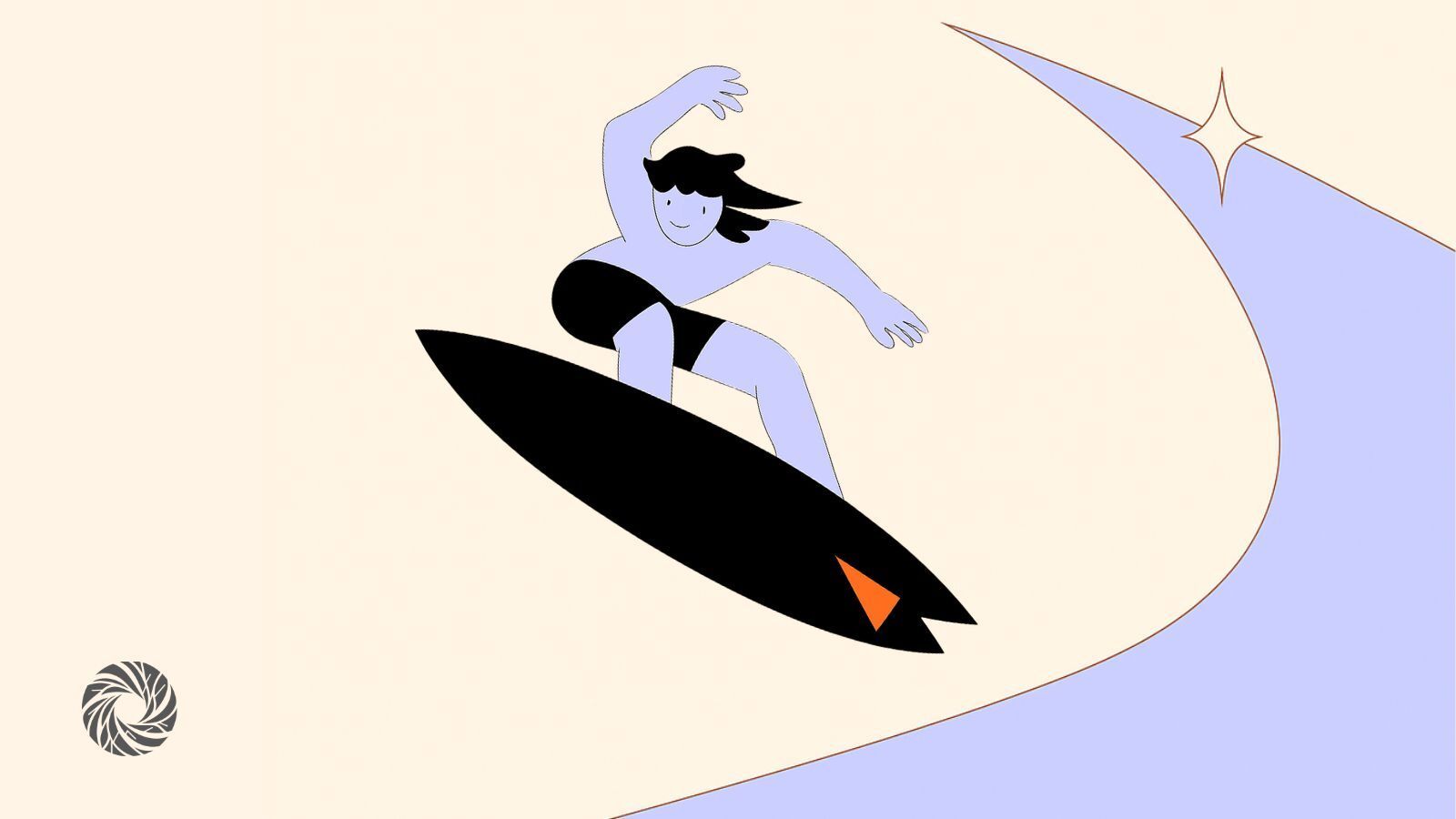
An urge behaves like a wave. It rises, peaks, and falls. If you don’t fight it or feed it, it passes on its own.
Most people never experience this because we give into to our urges too early. We soothe. We snack. We buy. We distract. But we never stay long enough to watch the urge finish its arc.
My fasting experiment forced me to come face to face with it.
And what surprised me most wasn’t that the urge passed, it was how confidently my brain lied while it was happening. It spoke in absolutes. We need food now! It isn’t possible to not eat this long. This is a problem. You won’t sleep. You need to fix this right now.
None of that turned out to be true. Instead, what I've learned is that our impulses lie and urges are glitches. It was just a prediction error gone wrong.
Your Brain Is a Prediction Machine, Not a Truth Machine
Modern neuroscience frames the brain as a prediction processor. Its primary job isn’t to perceive reality, it’s to anticipate it. To reduce surprise. To keep things predictable.
At 6 p.m., my brain predicted dinner. When dinner didn’t arrive, it registered an error and mismatch. And mismatch feels uncomfortable.
So the brain escalates. It amplifies sensation. It sharpens craving. It creates urgency.
The discomfort isn’t evidence of unfulfilled need or necessity. It’s evidence of expectation.
If we respond immediately, we teach the brain that creating that type of false urgency works. And next time, it escalates faster.
The Addiction to Immediate Relief
My little fasting experiment taught me something even more profound than overcoming my own tolerances.
In the West, we’ve engineered a world where almost no urge goes unanswered. Hunger? Delivered. Loneliness? Scroll. Boredom? Stream. Anxiety? Shop. Discomfort? Medicate, optimize, distract.
We’ve collapsed the space between impulse and relief to nearly zero.
And in doing so, we’ve quietly destroyed our tolerance for pain.
Any sensation that feels even mildly unpleasant gets treated like a malfunction. Something to fix. Something to escape. Something that shouldn’t be there.
But discomfort is a transition state.
The problem isn’t the discomfort itself. It’s that we’ve stopped sitting with the discomfort, we give into it, and we never let the feeling complete.
“No feeling is ever final.”
Final Thought
This isn't just about food. Once you see this pattern, you'll see it everywhere.
The urge to buy something late at night.
The impulse to send an email or text you’ll regret.
The need to fix your usual anxieties right now instead of letting it cool off on its own.
It all feels urgent in the moment. Like something needs to be handled. But most of the time, nothing actually does.
In each case, your brain is predicting relief and panicking when it doesn’t arrive as expected.
The practical shift is simple but radical:
Sit with the impulse long enough to feel it crest.
No feeling lasts forever. Feelings are fleeting. They are in constant motion. We just don’t hang around long enough to see where they go.
Don’t deny yourself, but to see what happens next.
Most of the time, the urgency and impulse just moves on.
Because the cost of immediate gratification is that when we never let urges finish, we lose more than restraint. We also lose self-trust in knowing we are more capable than we think we are. We stop believing we can tolerate discomfort. We confuse momentary sensations with permanent states. We outsource emotional regulation to consumption, distraction, and speed.
And that might be the most quietly radical skill we’ve lost and the one most worth relearning.
Shakila

Reader comments from last week:
Jonathan: Okay, I know I’ve said many times, ‘this is my favourite post,’ or ‘this is one of your best’ but truly, this one is golden! ⭐️⭐️⭐️⭐️⭐️
Sara: Wonderful article!! Had me in tears!! Nice and different perspective to the childhood trauma!!
Grace: Wow, thanks for sharing so vulnerably! Please keep writing and let me know if you ever decide to do a podcast.
Appreciate the kind words, thanks everyone for the support!!! You are the reason I keep showing up. Thank you! ❤️
Be the Coach Clients Can’t Wait to Join

Maxed out training hours for clients? Here’s how to make 2026 the year you grow your business without burning out.
Kajabi has helped fitness professionals generate millions in online revenue by giving them the tools, strategy, and support to scale. That’s why we’re the go-to platform for instructors shifting into hybrid and online coaching.
Take advantage of our free ‘30 Days to Launch: Scale Your Fitness Business Online’ guide that will give you the step-by-step plan to combine in-person and online programs for more income, freedom, and flexibility.
Reply